Agents Act, Not Assist
If a human still has to write the prompt, accept the diff, and run the test, the AI didn't do the work. Our agents own defined stages of delivery and answer for what they produce.

WE ARE AVAILABLE FOR DECEMBER PROJECTS




 Keep control
Enterprise delivery doesn't need faster typists. It needs AI agents that own the work, stay inside governed boundaries, and answer for every action they take.

Every enterprise modernization program hits the same ceiling. Today's AI tools produce useful output at the file level and fail completely at the engagement level.
WHERE TOOLS FAIL
The founding team saw this firsthand across financial services, insurance, and healthcare programs spanning millions of lines of legacy code. The bottleneck was never typing speed. It was comprehension, coordination, trust, and provenance. No larger model wired into an editor was going to solve that.



They can't read an estate; its structure, its history, its dependencies.

They can't reason across code, infrastructure, data, and integrations at once.
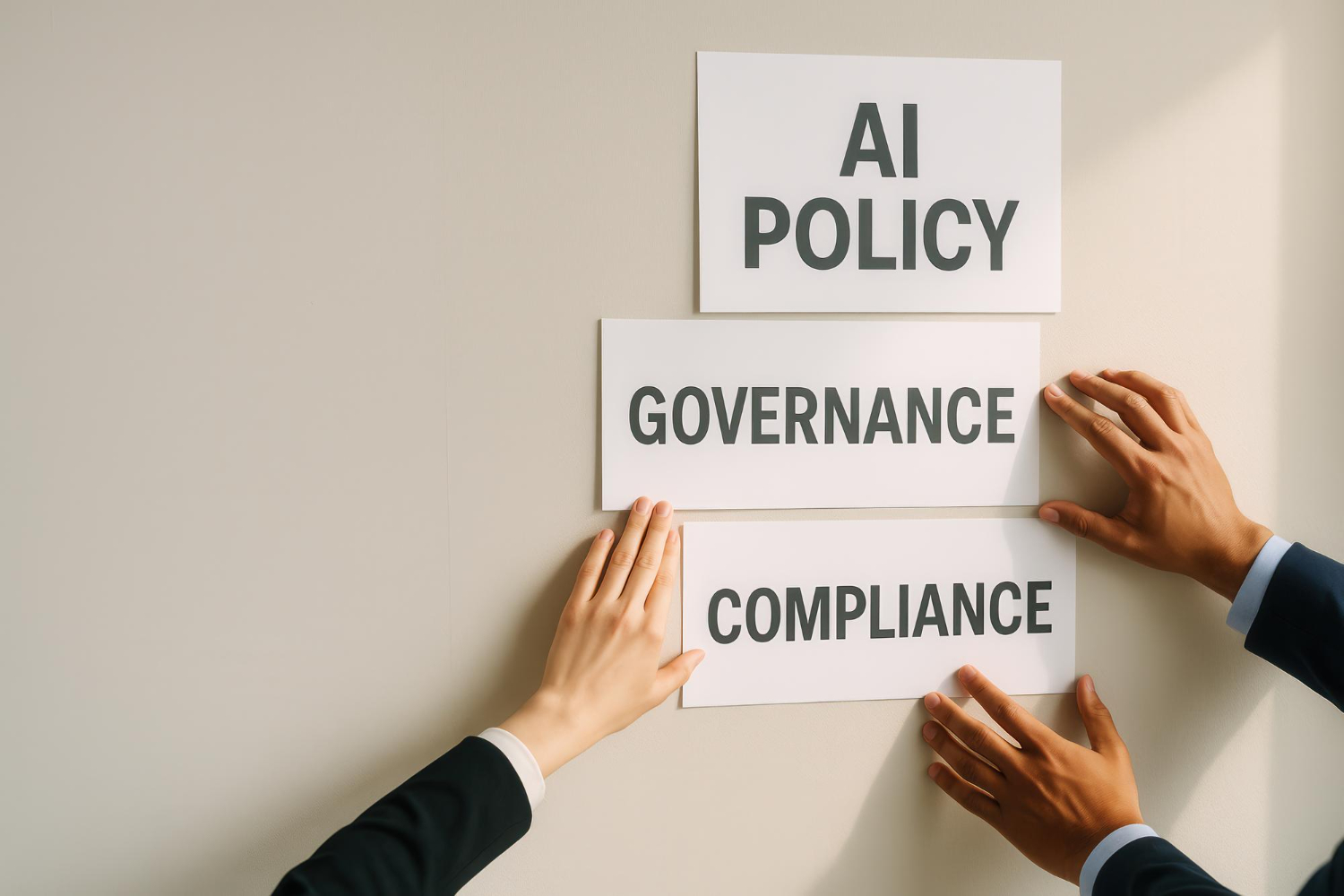
They can't enforce a security policy or produce evidence that survives an audit.
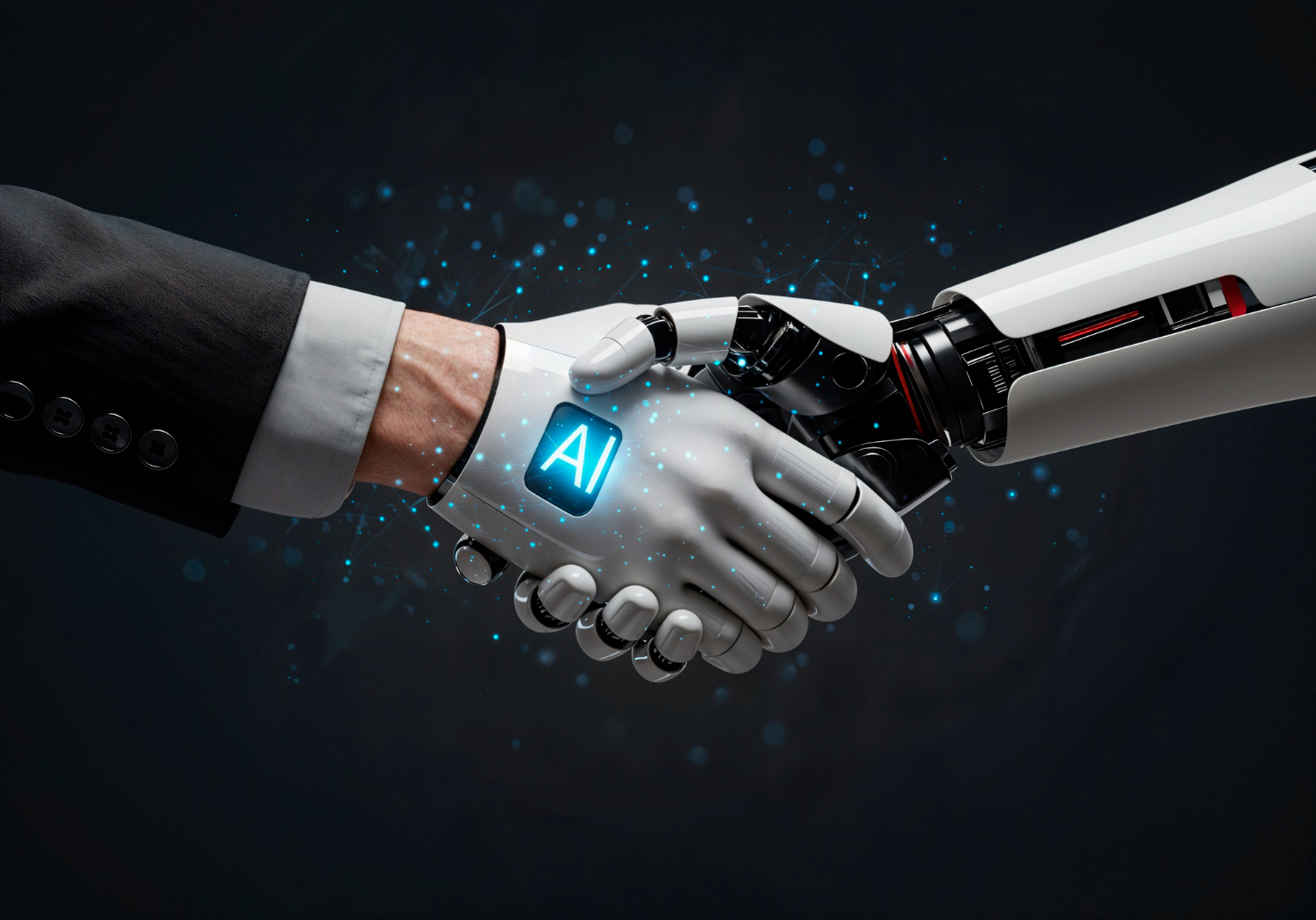
They can't act without a human validating every single step.


Most enterprise AI is built on a people-first assumption: humans stay the primary actors, and AI just speeds them up at the margins. Synthetix is built on a different premise entirely. In our model, agents are the primary actors: they discover, architect, build, verify, and govern. Humans define the policies, set the checkpoints, and make the calls that carry real organizational accountability.
The division of labor is deliberate, and it's the origin of our founding philosophy: buy the hands, own the conscience. Frontier models supply the generation capability: the raw ability to write code, draft documents, and produce output. Synthetix supplies what enterprises actually need on top of that: the operating layer that makes autonomous execution safe enough to run in regulated environments.
The model that writes the code today may be swapped out next quarter. What compounds over time is the governance architecture underneath it: the estate intelligence and organizational trust that don't reset every time the underlying model changes.
Nine specialist agents
Cross-domain knowledge graph
Policy enforcement engine
Signed evidence chain with rollback

Model-Agnostic by Design
Frontier models supply the generation capability. Ours can be swapped out next quarter; the governance layer underneath doesn't reset when they do.
Estate Intelligence Compounds
The knowledge graph and organizational trust Synthetix builds don't reset with every model upgrade. They compound with every engagement.
WHAT WE BELIEVE

If a human still has to write the prompt, accept the diff, and run the test, the AI didn't do the work. Our agents own defined stages of delivery and answer for what they produce.

Every decision carries provenance, a confidence score, and a rollback plan. Trust is earned change by change, not handed out upfront.

Your security team writes the rules. Agents can't bypass them. The platform serves your risk posture; not our convenience.

Messy, undocumented, contradictory legacy systems are the default state of enterprise IT. Atlas reads what's actually there and works with it — not an idealized version of it.
FAQS
Because copilot tools stop at the file level: they can't read an entire estate, reason across code, infrastructure, and data simultaneously, or produce audit-ready evidence. Synthetix was built to own full delivery stages, not just accelerate individual developers.
Something different. Coding assistants speed up a developer at the keyboard. Synthetix is a governed agentic pipeline: nine specialist agents that discover, architect, build, verify, and govern entire programs, with human checkpoints and signed audit trails built in.
No. Humans define policy, set checkpoints, and make the judgment calls that carry organizational accountability. Agents execute within those boundaries; every action is signed, reversible, and reviewable. Oversight isn't removed; it's made more precise and less manual.
Yes. Synthetix was built from direct experience in financial services, insurance, and healthcare programs. Every agent action passes through configurable policy gates, and every decision produces a signed evidence chain that survives compliance and regulatory audit.
Nothing breaks. Synthetix separates the generation layer (the model) from the governance layer (agents, knowledge graph, policy engine, evidence chain). Models can be swapped as they improve- the estate intelligence and organizational trust Synthetix builds carry over.
AI-assisted keeps humans as the primary actor and AI as an accelerant. AI-first flips that: agents are the primary actors executing defined delivery stages, while humans set policy and make accountability-bearing decisions: a structural difference, not just a speed improvement.